


 NBA Accredited (2022-2025)AICTE ApprovedEst. 1986
Electronics & CommunicationEngineering
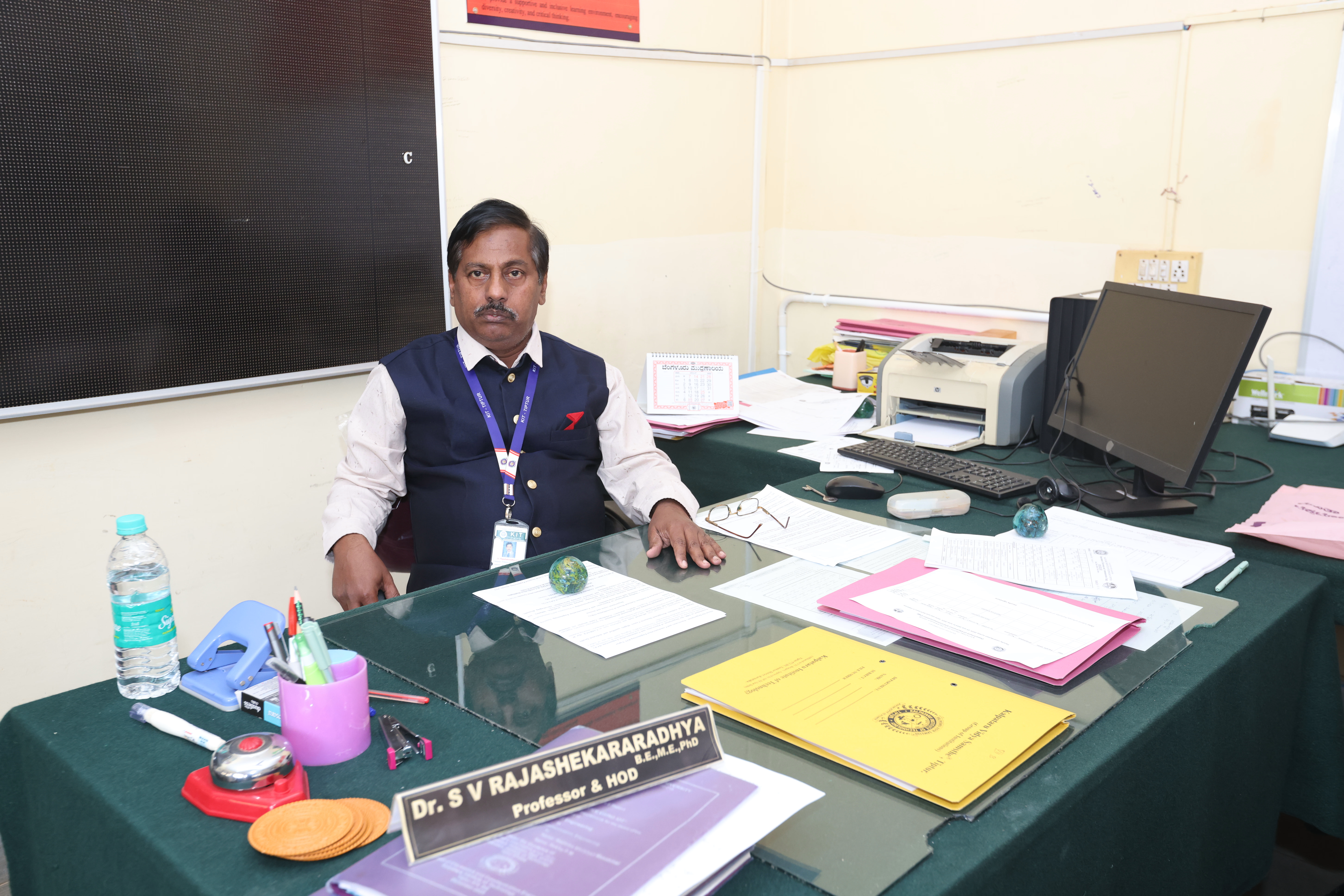
Dr. S V Rajashekararadhya
M.E., Ph.D
Welcome to Electronics & Communication Engineering
Welcome to Kalpataru Institute of Technology! We are thrilled to welcome you to our community! The Department of Electronics and Communication Engineering (ECE) is a hub for innovation and excellence, where students can explore the fascinating world of communications engineering.
Electronics and Communication Engineering is the application of science and math to practical problems in the field of communications. Our graduates go on to become systems engineers, research engineers, controls engineers, communication engineers, and electronic engineers, making a significant impact in the industry.
Our ECE department boasts state-of-the-art laboratories and a team of qualified faculties dedicated to providing an excellent education. We invite you to explore our facilities and learn more about our programs.
Department Profile
Department of Electronics and Communication Engineering was established in the year 1986 with an intake of 60 students for Bachelor of Engineering (BE) programme and affiliated to Bangalore University. Subsequently the department was affiliated to Visvesvaraya Technological University during the year 1998.
Currently the department is offering Bachelor of Engineering with an intake of 120 students in Under Graduate (UG) programme. The Department also has a Research Center where the Research Scholars can do Research & pursue Ph.D Degree.
The Department offers an excellent academic environment with a team of highly qualified and dedicated faculties. Several staff members are currently doing their research work and are involved in guiding several projects. The department has upgraded tools like CADENCE which is the backbone for Digital and Analog IC chip designing, MATLAB, XILINX-ISE, Microwave laboratory etc.
The Department regularly organizes FDPs, seminars, workshops and other interactive programs under the host of ECEA (Electronics and Communication Engineering Association) to keep the student community updated about the latest happening in the field of Electronics and Communication.
NBA Accreditation Status
Our Vision
To become a leading department in Electronics and Communication Engineering, fostering innovation, research, and social responsibility.
Our Mission
- •To promote research, innovation, and entrepreneurship in Electronics and Communication Engineering, addressing real-world challenges.
- •To foster collaboration and knowledge sharing between academia, industry, and government, advancing the field of Electronics and Communication Engineering.
- •To provide a supportive and inclusive learning environment, encouraging diversity, creativity, and critical thinking.
Program Educational Objectives (PEO's)
For UG Bachelor Degree Program in Electronics & Communication Engineering
Design and Development
Graduates will be able to design and develop innovative solutions in electronics and communication engineering, applying fundamental concepts, mathematical and scientific principles, and modern tools to address real-world challenges.
Problem Analysis
Graduates will be able to analyze complex engineering problems, using critical thinking, creativity, and problem-solving skills to develop effective solutions that consider social, environmental, and ethical implications.
Communication & Collaboration
Graduates will be able to communicate effectively and work collaboratively in diverse teams, demonstrating strong interpersonal skills, leadership abilities, and a commitment to lifelong learning.
Sustainability
Graduates will be able to develop sustainable and environmentally responsible solutions, applying knowledge of environmental and social impacts to design and develop solutions that minimize harm and promote sustainability.
Lifelong Learning
Graduates will be able to pursue lifelong learning and professional development, staying up to date with advances in electronics and communication engineering, and continuously improving their skills and knowledge to adapt to changing technological and societal needs.
Programme Specific Outcomes (PSO's)
Specialized skills and competencies for Electronics & Communication Engineering graduates
Fundamental Concepts Application
Graduate will be able to apply the fundamental concepts of electronics and communication engineering to design a variety of components and systems for applications including image processing, communication, networking, VLSI and control system.
Advanced Concepts Analysis
Graduates will be able to analyze and apply concepts in communication/networking, signal processing, embedded systems, and semiconductor technology to design and develop innovative solutions.
Program Outcomes (PO's)
Skills and competencies expected from Electronics & Communication Engineering graduates
Our Esteemed Faculty
Dedicated educators and researchers shaping the future of Electronics & Communication Engineering
Professors
Dr. S V Rajashekararadhya
Professor & HOD & Formal PrincipalDr. S V Rajashekararadhya
Professor & HOD & Formal PrincipalM.E., Ph.D
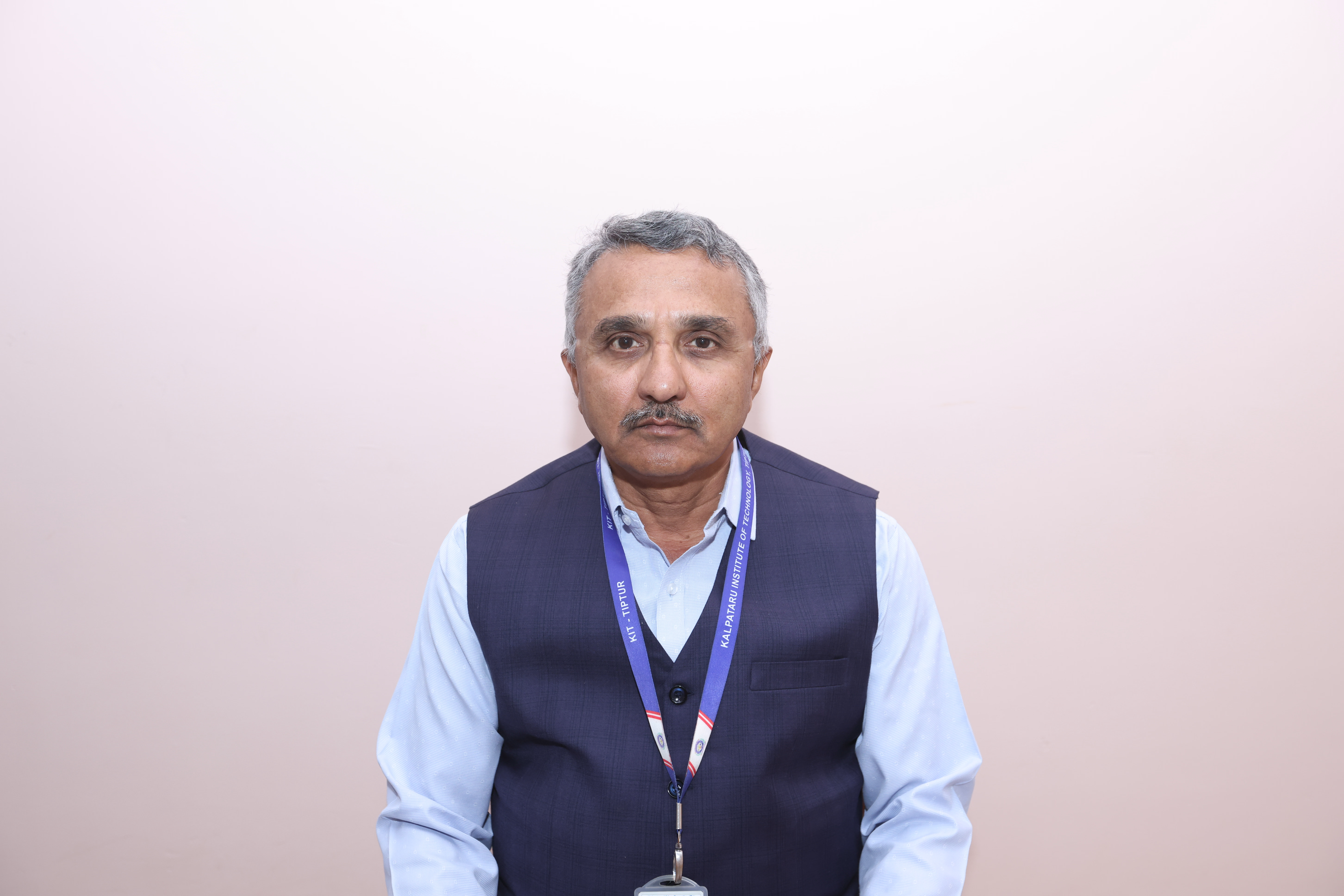
Dr. G D Gurumurthy
Professor and PrincipalDr. G D Gurumurthy
Professor and PrincipalPh.D
Dr. G S Yogananda
ProfessorDr. G S Yogananda
ProfessorM.Tech., Ph.D
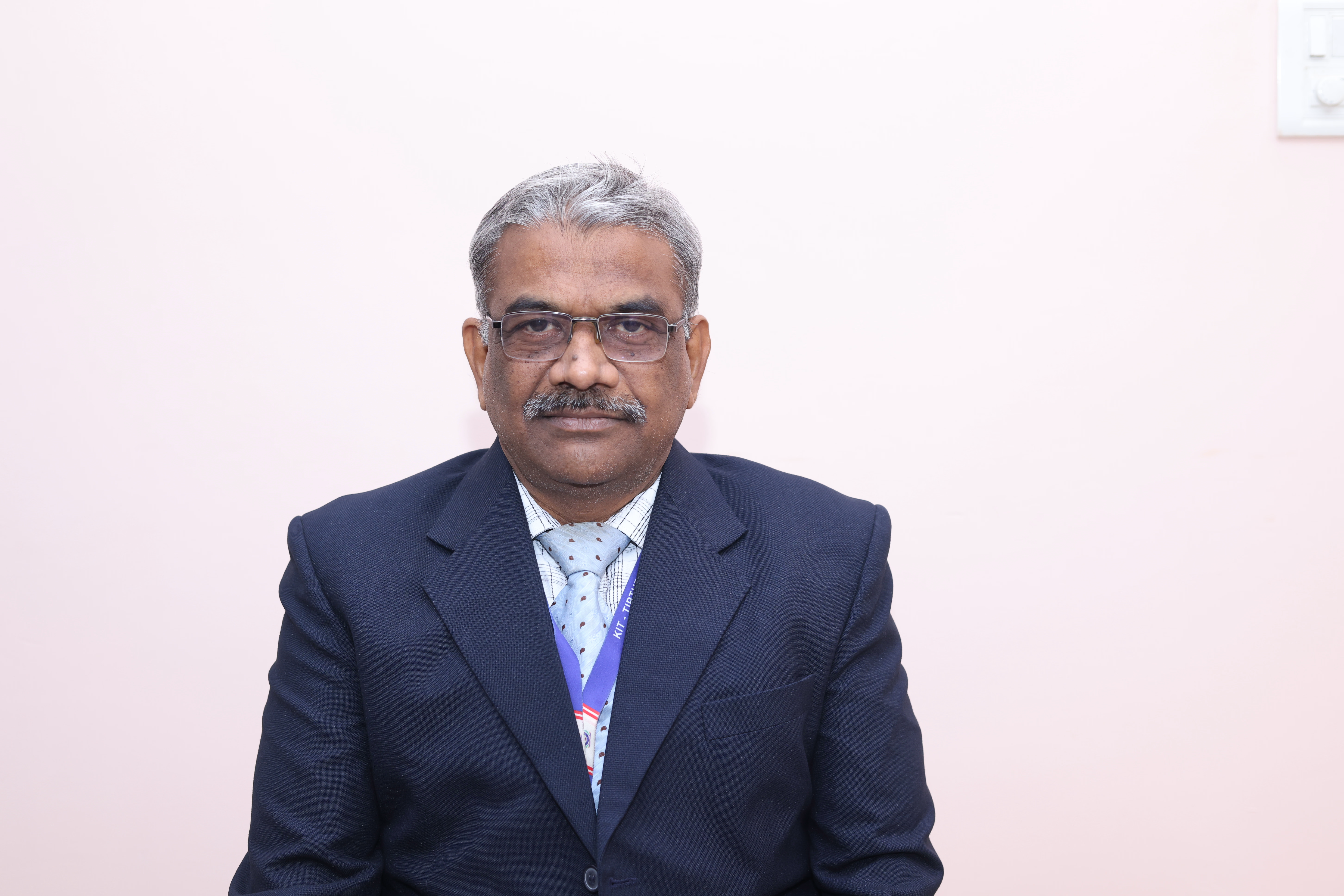
Dr. Hadimani Shivakumar
ProfessorDr. Hadimani Shivakumar
ProfessorM.Tech., Ph.D
Associate Professors
Mr. Channabasayya Mathad
Associate ProfessorMr. Channabasayya Mathad
Associate ProfessorM.Tech

Mr. N R Prashanth
Associate ProfessorMr. N R Prashanth
Associate ProfessorM.Tech, (Ph.D)

Mr. Rudresh M D
Associate ProfessorMr. Rudresh M D
Associate ProfessorM.Tech, (Ph.D)
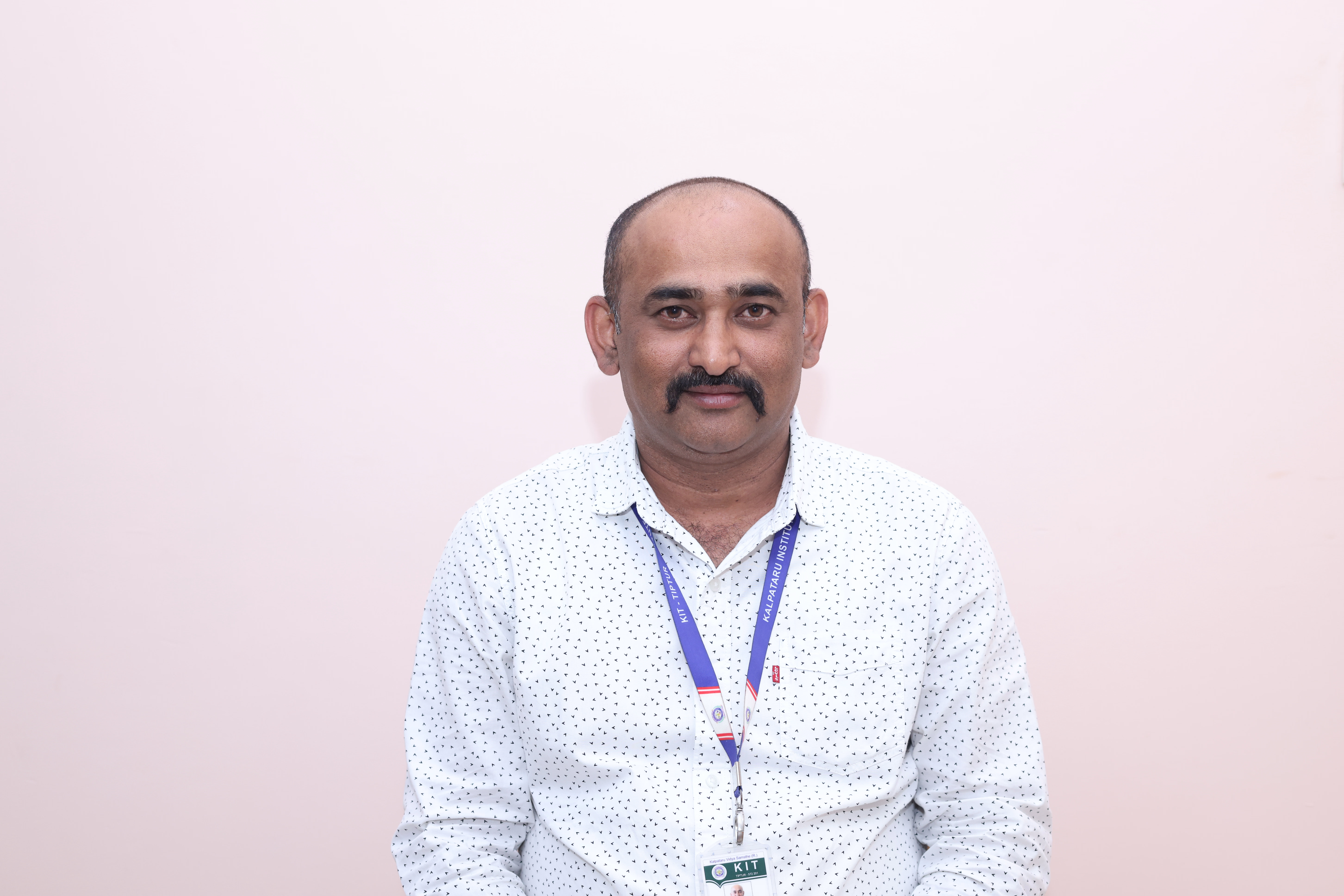
Mr. Niranjana Swamy G S
Associate ProfessorMr. Niranjana Swamy G S
Associate ProfessorM.Tech, (Ph.D)
Dr. Lohith M S
Associate ProfessorDr. Lohith M S
Associate ProfessorB.E, M.Tech., Ph.D
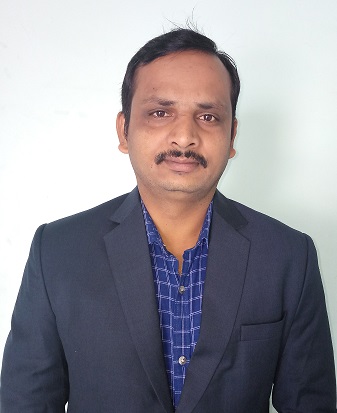
Dr. G S Nandeesh
Associate ProfessorDr. G S Nandeesh
Associate ProfessorM.Tech., Ph.D
Dr. Sundaresha M P
Associate ProfessorDr. Sundaresha M P
Associate ProfessorM.Tech., Ph.D
Assistant Professors
Mrs. Prathibha C
Assistant ProfessorMrs. Prathibha C
Assistant ProfessorM.Tech
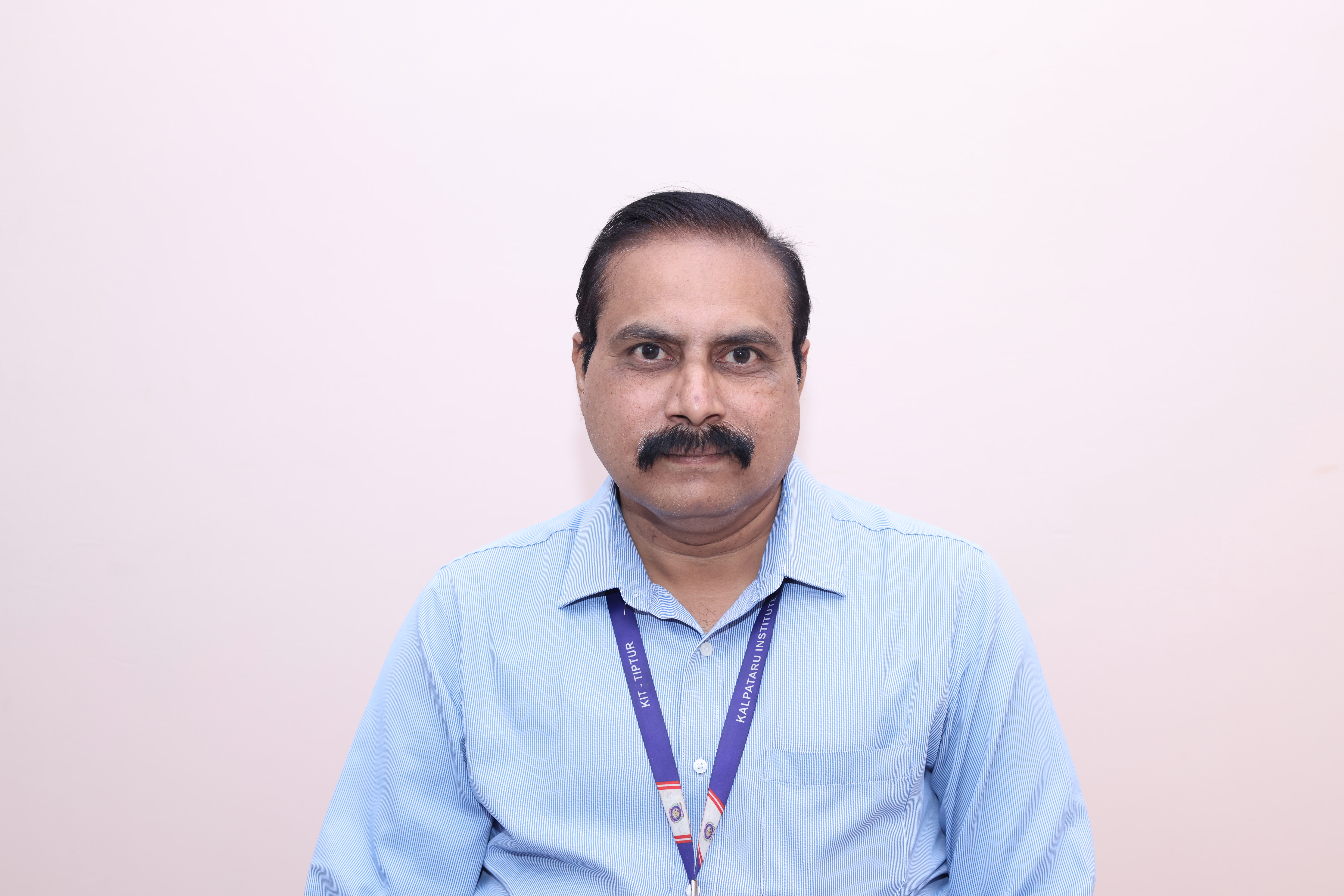
Mr. Anand U Hiremath
Assistant ProfessorMr. Anand U Hiremath
Assistant ProfessorM.Tech
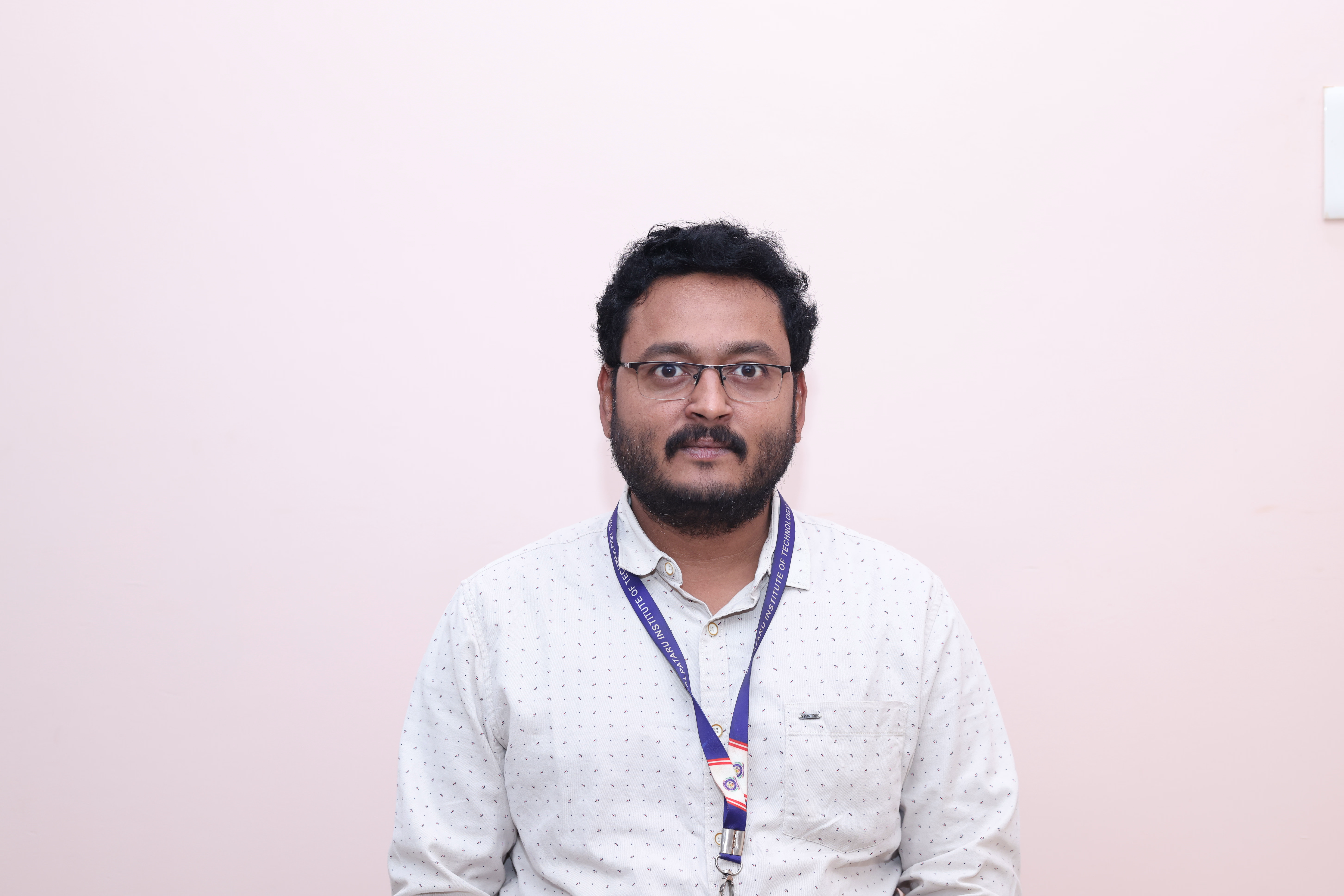
Mr. Pradeepkumar S K
Assistant ProfessorMr. Pradeepkumar S K
Assistant ProfessorM.Tech
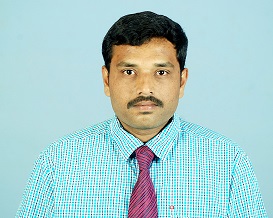
Mr. Sunil Kumar K.M.
Assistant ProfessorMr. Sunil Kumar K.M.
Assistant ProfessorM.Tech, (Ph.D)
Mrs. Smitha M M
Assistant ProfessorMrs. Smitha M M
Assistant ProfessorM.Tech
Mrs. Chethana H S
Assistant ProfessorMrs. Chethana H S
Assistant ProfessorM.Tech
Mrs. Nandini S
Assistant ProfessorMrs. Nandini S
Assistant ProfessorM.Tech, (Ph.D)
Mrs. Amrutavarshini S Hadimani
Assistant ProfessorMrs. Amrutavarshini S Hadimani
Assistant ProfessorB.E, M.Tech
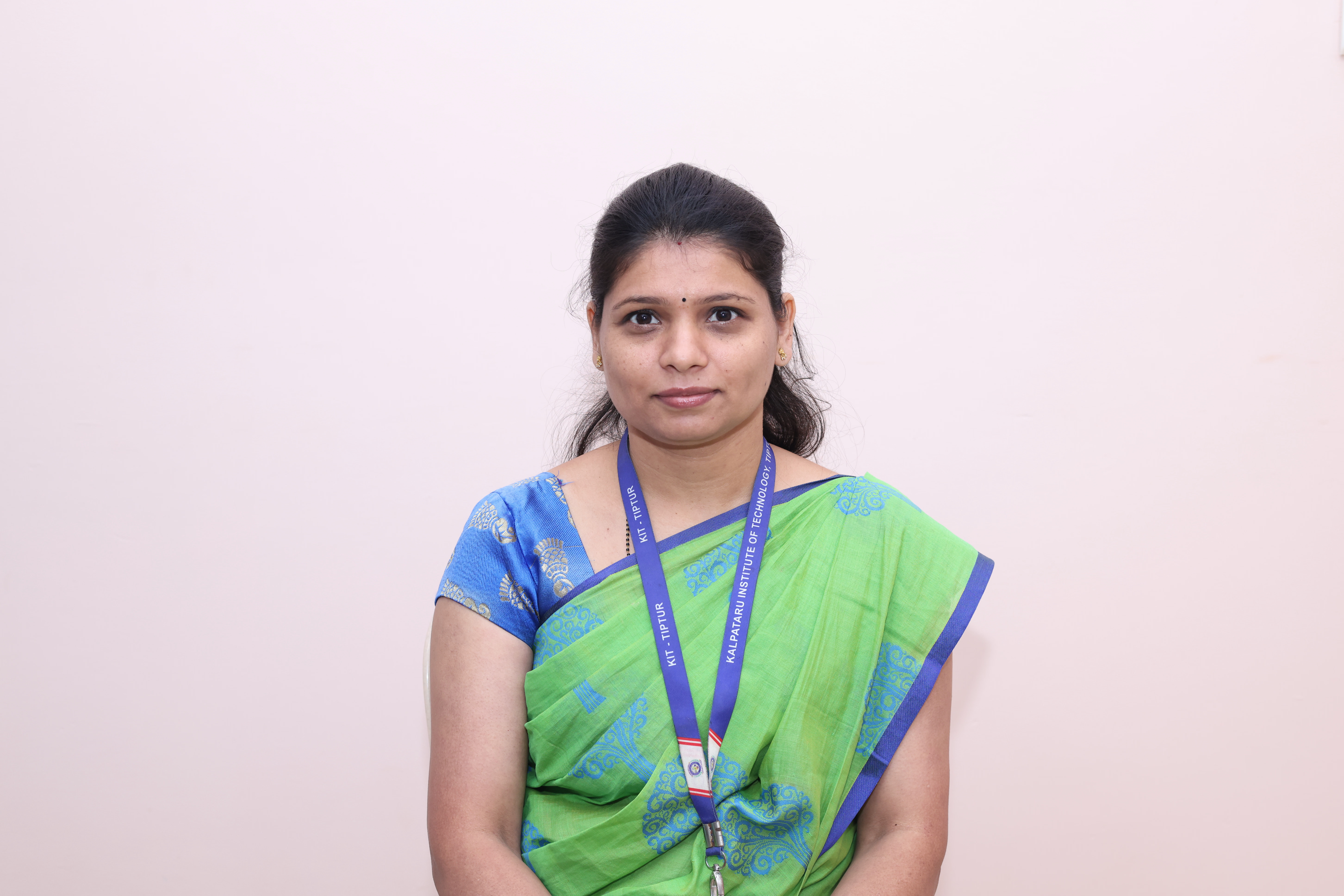
Mrs. Shilpa C N
Assistant ProfessorMrs. Shilpa C N
Assistant ProfessorB.E, M.Tech
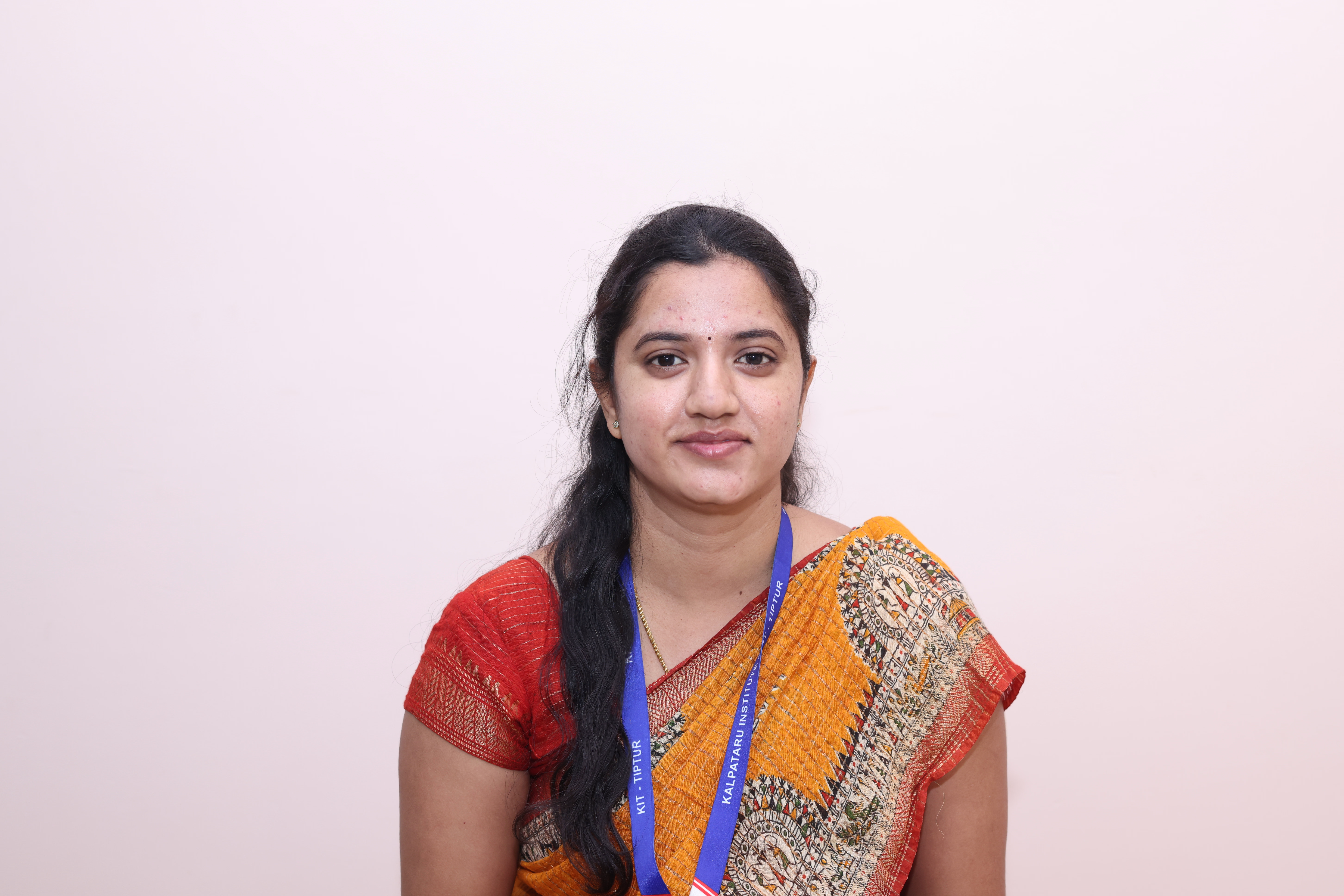
Mrs. Harshitha
Assistant ProfessorMrs. Harshitha
Assistant ProfessorB.E, M.Tech
Faculty at a Glance
Professors
Associate Professors
Assistant Professors
Total Faculty
State-of-the-Art Laboratories
Well-equipped laboratories with modern facilities for teaching, learning, and research
ECL101 - Analog and Digital System Design Laboratory / Communication Laboratory
DSO, CRO, Function Generator, Power Supply, Microwave Bench, Microwave Antenna, Digital Multimeter, QPSK/DPSK Modulation Kits, TDM, OFC Kit, PCM & DPCM Kit, Digital IC Trainer Kit
ECL201A - Project Laboratory
Intel® Core i7 12th Gen Processors, Arduino AT Mega 328, Raspberry Pi3, DSO, Function Generator, Cadence, MultiSim, Matlab, Arduino IDE, Python
ECL201B - Electronic Principles & Circuit (IPCC) / VLSI Laboratory
Intel® Core i7-12700 Processors, Cadence University Bundle, MultiSim
ECL301 - Skill Enhancement Lab / Computer Organization & ARM Controller Lab
Intel® Core i7/i5 Processors, ARM CORTEX M3 LPC1768, Code FaCubes, Kiel4, Flash Magic, Turbo C++, Cisco Packet Tracer
ECL302A - Basic Signal Processing Lab / Ability Enhancement Course Lab
Intel® Core i7/i3 Processors, Turbo C++, Matlab, Scilab, Cisco Packet Tracer
ECL302B - Computer FaNetworkWired Lab / Digital System Design Using Verilog Lab
Intel® Core i7 Processors, 8051 Microcontroller Kit, FPGA Spartan3, TMS 320C1367 DSP, Xilinx ISE, Matlab, Keil uvision3
